
Anatomy of a
Fake Discount
A practical guide to telling a real Amazon price drop from a marketing one — using 90-day price history.
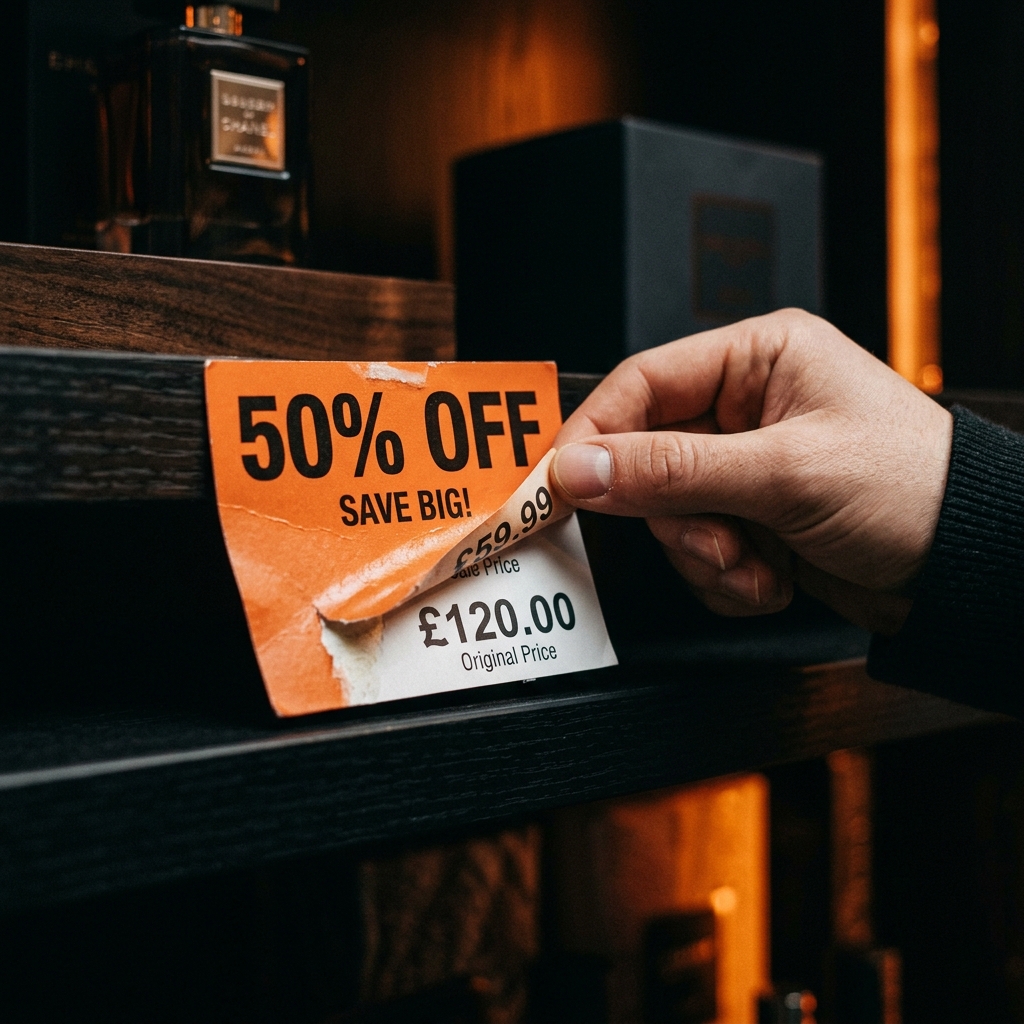
Sellers sometimes raise a product's price for a short window so they can later 'discount' it back to its normal price under a big percentage banner.
Many deal sites recycle these manufactured discounts without checking the underlying price history, so shoppers buy at what they think is a low.
Every drop we surface is compared against its own 90-day pricing history. If today's price isn't actually low for that product, it doesn't reach the Live Feed.
The RRP problem
RRP — Recommended Retail Price — is set by the brand, not the seller. On Amazon, a listing's "was £X, now £Y" claim is calculated against that figure, not against what the product has actually sold for in recent weeks. So a product that has been £30 for the last six months can be temporarily marked up to £60, then "discounted" back to £30 under a big "50% OFF" banner.
The UK Advertising Standards Authority and Trading Standards have repeatedly ruled against pricing that misleads shoppers in this way, but the practice still appears regularly across large marketplaces.
Why most deal sites miss it
Most coupon sites republish whatever discount banner the retailer is showing. They have no view of what the price was last week, last month, or last quarter — so an inflated RRP comes through as a genuine bargain. If you want to know whether a price is actually low, you need its history, not its sticker.
Every deal we surface includes that history on its detail page. You can also see the same logic applied across the full archive of expired deals in the Deal Graveyard.
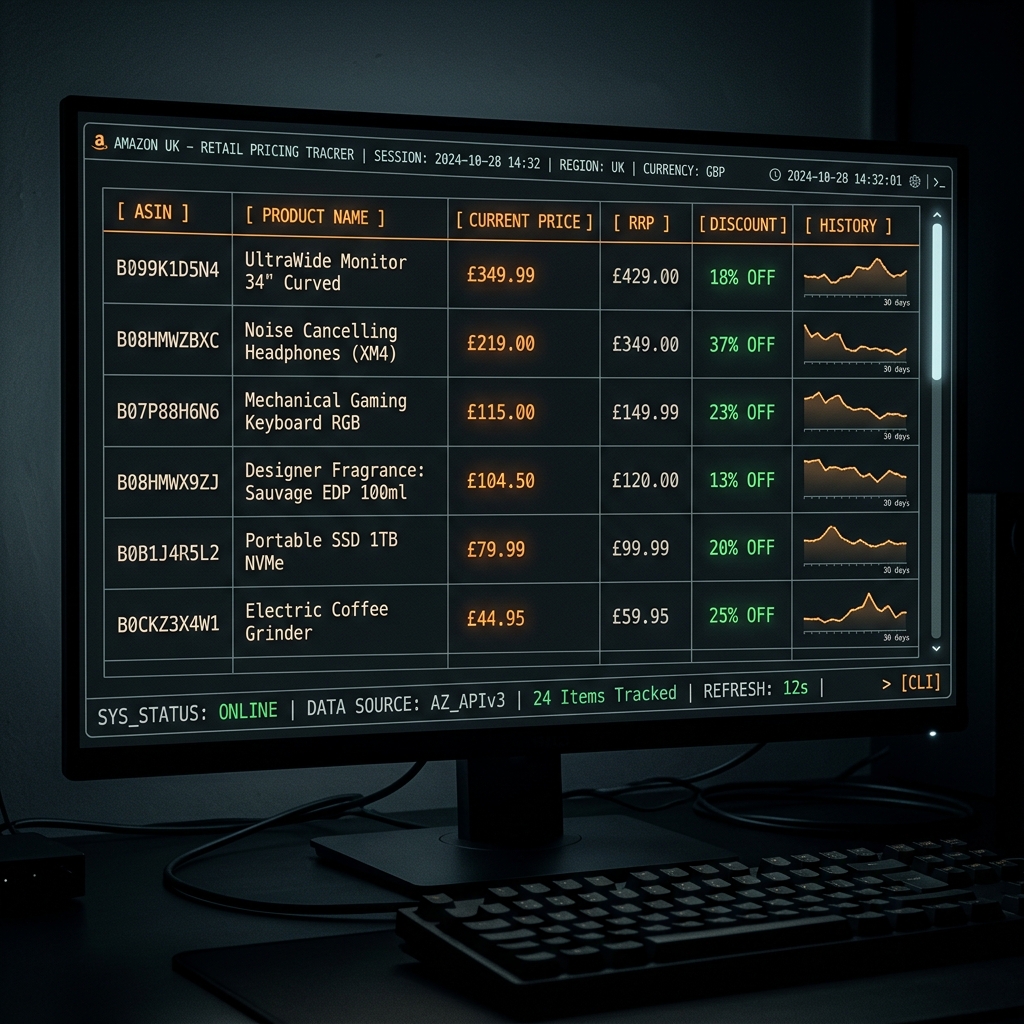
How to check a discount yourself in 30 seconds
Before relying on any "% off" claim — ours, Amazon's, or anyone else's — three quick checks usually settle it:
- Compare the current price to its 90-day low and average, not to the RRP.
- Check whether the price climbed in the days just before the "sale" started.
- If a third-party seller is in the Buy Box, see whether the same item is cheaper from another seller — including Amazon itself.
Our methodology page documents the exact rules we apply when we run those checks at scale.
What we actually publish
A deal makes the Live Feed only if today's price is genuinely low against its own recent history. That includes ordinary "good price" drops, not just dramatic ones — the goal is honesty, not headlines.
When deals expire or sell out, they're moved to the Deal Graveyard with their full price record intact, so the claim can be checked after the fact.
Check today's verified drops.
Every deal on the Live Feed is checked against its own 90-day price history.
View the Live Feed